
Home / Owner Center / Owner Education / Books Worth Reading
owner education
Books Worth Reading
Six books, with the key points from each
Owner Education Reading list 4 of 4
The books I'd hand an owner
If you want to go deeper, these are the books I'd hand an owner. Start with Rich Dad Poor Dad. It changes how you see money, and the rest build on it.
Open any book for a summary and the key points, so you get the main ideas even before you read it. The summaries are in our own words. We don't earn anything if you buy a book.
Start here: how money works
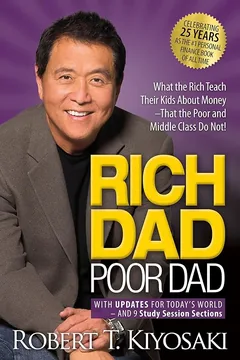
Rich Dad Poor Dad
A short, easy read that shows why a rental should be judged by the cash it puts in your pocket, not by how it feels to own it. It is a good start for owners who have only ever thought about covering the mortgage.
Read the summary and key points
Rich Dad Poor Dad tells the story of Robert Kiyosaki and two father figures: his own dad, a well-educated man who worked for a paycheck and stayed stressed about money, and his friend's dad, a businessman with little schooling who built wealth. Kiyosaki says schools teach people to earn, but not what to do with money once they have it.
His central argument is simple. Money problems come from not knowing the difference between an asset and a liability. An asset puts money in your pocket. A liability takes it out. Kiyosaki says the wealthy keep buying assets, keep expenses low, and let the income grow, while most people work harder and spend more. He also says to keep learning and stay calm when fear tells you to quit.
Key points
- Assets feed you, liabilities drain you. Kiyosaki defines an asset as something that puts money in your pocket and a liability as something that takes money out. He says the whole game is to keep buying the first kind. A rental that does not produce cash, in his view, is not doing the job.
- Read the cash flow, not the dream. He says the story of your money is told by the income statement and the balance sheet, not by how a purchase feels. Owners who can read both can tell whether a property is truly paying them.
- A home is not always an asset. Kiyosaki argues that a house you live in often takes more cash out than it puts in. He is not against owning one. He says to know what it is, and to build income-producing assets first so they can pay for the bigger house.
- Do not buy luxuries before assets. He says wealthy families let their assets pay for the nice things, while others borrow for them first. His example is a luxury car that the rental income paid for, after the portfolio had grown enough to afford it.
- Hire a manager so you can grow. Kiyosaki says he does not want to fix toilets, so he finds a strong property manager. He argues that a good manager lets you own more property and often hears about deals early. He ranks finding a good one as important as the real estate.
- Fear and doubt cost real money. He says everyone fears losing money, and the difference is how you handle it. He warns about outside noise and friends who talk you out of a deal. His story is of a friend who backed out of a bargain after a neighbor with no investing experience said it was a bad idea.
- Real estate can carry tax and growth benefits. Kiyosaki points to real estate as a tool that can build wealth over time, and says the tax rules let investors delay taxes by trading up. These are his views, so owners should check any tax idea with their own tax professional.
- Look for change and keep learning. He recommends studying a neighborhood over time, watching what is changing, and making many offers. He says profit starts when you buy, and that education is worth more than chasing the big deal.
Why it matters for owners: Kiyosaki pushes readers to stop asking whether a rental feels safe and start asking whether it produces cash and builds wealth over time. That is the investor mindset: watch the numbers, think long term, and let professionals handle the daily work.
Best for: Owners who think of a rental as a paycheck or a way to cover the mortgage
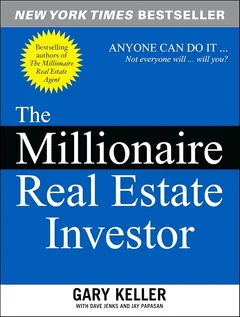
The Millionaire Real Estate Investor
A plain-spoken guide to treating rental property as a long-term business instead of a side project. Owners will come away knowing what to track, what to protect, and why handing off daily work pays for itself.
Read the summary and key points
Gary Keller and his co-authors interviewed over a hundred successful real estate investors and boiled their habits into a handful of repeatable models. The book moves in stages: change how you think, buy well, own well, and finally build a business that pays you without needing you every day.
The central argument is that wealth is built by owning assets that grow in value and throw off income, not by earning a paycheck. Keller says the winners follow a plan, track their net worth, keep their numbers honest, and surround themselves with good people. Patience and focus beat luck, and the book says anyone willing to learn the steps and stick with them can get there. Much of it is about habits and mindset, with worksheets to match.
Key points
- Wealth comes from assets, not paychecks. Keller separates being rich from being wealthy. A paycheck stops when you stop working. Assets that grow and pay you keep going. He asks readers to put investing ahead of spending.
- Two engines: equity and cash flow. The book says a rental builds wealth in two ways. Equity grows as the property gains value and the loan shrinks. Cash flow is what is left after costs. Keller likes to see both working together.
- Think long term, not month to month. His model for rentals is buy and hold, where results come from years of steady ownership. He warns against changing strategy out of boredom and says repetition builds mastery.
- Know your numbers every month. Investors in the book watch rent, vacancy and expenses closely and compare them month over month. Keller says small leaks, like a slow water problem, cost the most when no one is looking.
- Spend on improvements with a purpose. He sorts repairs into four groups: needed and adds value, not needed but adds value, needed but adds no value, and neither. The point is to ask what each dollar returns before spending it.
- Keep good tenants and cut vacancy. Keller notes that raising rent too eagerly can drive off a good resident, and one empty stretch can erase the gain. He says to plan ahead so a vacant unit is cleaned, prepped and marketed fast.
- Hire the work, keep the ownership. Owning rentals makes you a landlord, but Keller says you do not have to do the landlord's job. He calls a property manager one of the most time-saving hires an investor can make, and says to budget for the cost up front.
- Build a team and write it down. He urges owners to gather skilled, trustworthy advisors before they need them, replace weak performers, and get every agreement in writing. He also stresses protecting assets with insurance and planning, and says an emergency fund belongs in the plan.
Why it matters for owners: Keller's big idea fits the move from landlord to investor: judge each property by long-term return, not by this month's repair or this month's rent. Let skilled people handle the daily work while you watch the numbers and the bigger picture.
Best for: Owners ready to treat their rentals as a long-term business
Run it by the numbers
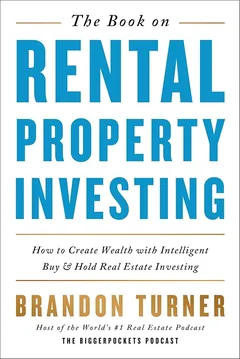
The Book on Rental Property Investing
A plain-spoken guide to judging a rental like an investment instead of a monthly bill. It shows owners what a property really earns once every cost is counted.
Read the summary and key points
Brandon Turner's book walks through buy-and-hold rental investing from first plan to daily operations. His core argument is that a rental builds wealth through four sources: cash flow, appreciation, tax savings, and loan paydown. But none of it works unless the numbers are honest.
He spends much of the book on how to estimate income and expenses before you buy. He says to count vacancy, repairs, big replacements, and management, and to keep cash on hand for surprises. The goal is steady, long-term return, not a lucky month.
Key points
- Cash flow means what is left. Turner defines cash flow as income after every cost, including mortgage, taxes, insurance, vacancy, repairs, big replacements, and utilities. A property that looks fine on rent alone can look very different once all of that is counted.
- Budget for vacancy every month. Units do not stay rented all the time, so Turner builds an average vacancy cost into every deal. He suggests asking local managers what vacancy typically looks like in the area.
- Repairs come in lumps. He suggests setting aside a share of rent for repairs, higher for older homes. The cost averages out over years, so a quiet stretch can end with one big leak.
- Big replacements are real expenses. Roofs, appliances, flooring, and driveways wear out on a schedule. Turner says many people skip this cost, and he argues that years of small profit can vanish in one roof bill.
- Keep cash reserves on hand. Turner says things will go wrong, so dig the well before you are thirsty. As a starting point, he suggests reserves equal to about six months of expenses per property.
- Budget for management, always. He says to include a management cost in the numbers even if you plan to do it yourself. Otherwise, the day you need a manager, the cash flow you counted on may disappear.
- A manager costs money and attention. Turner shows how a management fee can cut a modest return sharply. He also says a good manager can make or break the investment, and that you should still watch the work and question bids.
- Returns come from several sources. He compares cash flow to the money you put in, and he reminds readers that paydown, appreciation, and tax benefits add to the picture. He tells readers to check the tax side with a CPA.
Why it matters for owners: Turner treats a rental as a business with a full set of costs, not a way to cover the mortgage. Owners who count reserves and management up front, and judge results over the long run, are thinking like investors.
Best for: Owners new to thinking in returns
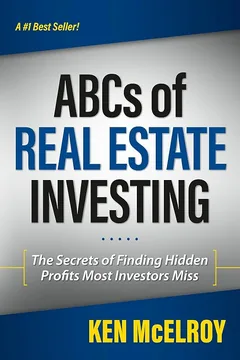
The ABCs of Real Estate Investing
A plain, numbers-first guide to judging a rental property the way an investor does. It shows why the figures, not the asking price or a gut feeling, should drive every decision.
Read the summary and key points
Ken McElroy runs a large apartment management and investment firm. He wrote this book to take the mystery out of rental real estate. His core idea is that a rental is a small business, and its value comes from how well it operates: the rent it brings in, the costs to run it, and what is left over.
He walks through setting a goal, building a team of experts, studying a market, and testing a property with a five-step number check. He then covers inspections before closing, a written plan for the property, and professional management. He argues for buying and holding, not flipping.
Key points
- Price comes from the numbers. McElroy says a seller's asking price tells you little. Value should come from what the property actually earns, so you decide the price instead of accepting one.
- Net operating income comes first. Net operating income is the rent collected minus the costs to run the place, before any loan payment. McElroy calls it a key number because the offer is built on it.
- Cap rate turns income into value. The cap rate is a property's net operating income divided by its price. Flip the math, and you divide the income by a market cap rate to get a fair value. He gets that rate from brokers and managers who know the local market.
- Cash on cash shows your real return. Cash on cash is the yearly profit left after the loan payment, divided by the cash you put down. McElroy treats it as the plain answer to whether the deal pays you for tying up your money.
- Do not trust a seller's sheet. He found that sales brochures often overstate income and understate costs. His rule is to trust but verify, using real rent rolls, bills, and tax records.
- Due diligence is the safety net. After a deal is under contract, McElroy checks every lease, unit, system, and book. Problems found then can lower the price or get fixed before closing.
- Larger buildings spread the risk. He argues that a single rental is either fully paying or fully empty, while a bigger building keeps income flowing when one tenant leaves. He also says value in larger buildings rises with income you can improve.
- Professional management protects value. McElroy says good management is where profit is made or lost, and an owner's job is ownership, not daily problem solving. He also urges a cash reserve for the surprises that always come.
Why it matters for owners: McElroy treats a rental as a business to be run by the numbers, not a property to be loved or fixed by hand. Owners who track income, costs, and reserves, and let a professional handle daily work, are thinking like investors.
Best for: Owners who want to judge deals and their own property by the numbers
Taxes and your team
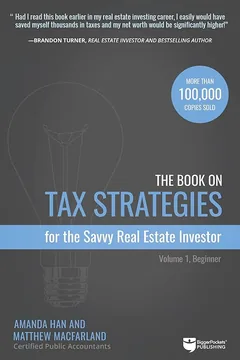
The Book on Tax Strategies for the Savvy Real Estate Investor
Two CPAs explain how real estate investors can plan ahead for taxes, keep clean records, and use the deductions and structures that fit rental ownership. A good first read before you sit down with your tax professional.
Read the summary and key points
Amanda Han and Matthew MacFarland are CPAs who work with real estate investors. Their book is written for regular people, not accountants, and it uses short real-life stories to show how good and bad investing choices play out at tax time.
The authors cover everyday business deductions that owners often miss, how legal entities such as LLCs fit in, how flips are treated differently from rentals, and how self-directed retirement accounts can hold property. They keep coming back to two habits: plan before you buy, and keep solid records.
Key points
- Plan before you buy. The authors stress that tax planning works best before a deal closes, not after the year ends. Early planning gives you more choices.
- Keep records that hold up. They explain that careful, organized records are the base of any tax strategy. Receipts and logs matter if you are ever questioned.
- Know the deductions owners miss. The book walks through ordinary business costs that rental investors can overlook, such as travel to see properties and education.
- Entities help only when run well. The authors discuss LLCs and similar structures and explain that forming one is not a cure-all. How you run it and keep it separate matters.
- Retirement accounts can own property. They describe self-directed retirement accounts as a way to hold real estate, rather than only stocks and bonds.
- Work with a real estate-savvy CPA. The authors encourage investors to find a tax professional who understands real estate, since general preparers may not.
Why it matters for owners: An investor thinks about what an asset keeps after taxes, not just what it collects each month, and this book helps you ask better questions about that. Use it to prepare, then talk to a tax professional about your own situation.
Best for: New owners getting ready for a tax planning talk
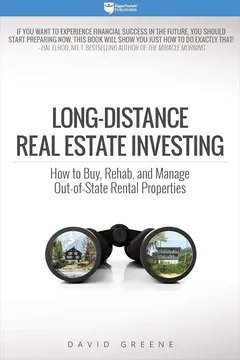
Long-Distance Real Estate Investing
David Greene shows how to own rental property without living next to it, and the lessons apply to any owner who wants to step back. It is really a book about building a team and trusting it.
Read the summary and key points
David Greene built a large portfolio of out-of-state rentals, often without seeing the homes in person. His book walks through picking a market, finding deals, fixing up properties from afar, and managing them from a distance.
The heart of the book is the team. Greene explains how to find and test the agent, lender, contractor and property manager, then how to set rules and build trust so the work gets done without you being there.
Key points
- Your team does the work. Greene presents the investor as the person who coordinates a team, not the one who does every task. Results come from picking the right people.
- Start with the core four. Greene builds the team around four people: an investor-friendly agent, a lender, a contractor and a property manager. Others, like an insurance agent, are added as needed.
- Vet people before you trust them. The book covers how to find, check out and talk with team members you may rarely meet face to face. Trust is built on clear rules and good communication.
- Let systems replace presence. Greene leans on repeatable processes and simple tools like video calls, photos and electronic signing to stay informed without being on site.
- Judge the market with numbers. The book teaches you to study a market and run the numbers instead of relying on gut feeling or a quick drive-by.
- Manage the manager, not the house. A full chapter covers managing properties from a distance. The job is overseeing the people doing the work, not doing it yourself.
Why it matters for owners: The landlord mindset says you must handle everything yourself, while the investor mindset says build a good team and let each person do their job. Greene's book makes that case from the investor's side of the table.
Best for: Owners who want to hand off day-to-day work with confidence
You made it through
Want an investor's look at your rental?
Get a free rental analysis. We'll tell you what your property should rent for, what it needs first, and what the numbers look like. No obligation.
This is general education, not tax, legal or investment advice. Eclipse Property Management is a property management company, not a tax advisor, attorney or financial planner. Talk to a tax professional about your own situation. Book summaries are our own words, and each book's ideas are its author's. Book covers are shown to identify the books.